April 23, 2026
Auto body repair is often misunderstood by vehicle owners, which can lead to confusion, unrealistic expectations, and sometimes even poor decision-making after an accident or collision. Many drivers assume the process is simple—fix a dent, repaint a panel, and move on—but modern vehicles are far more complex than they appear. Today’s cars include advanced materials, safety sensors, and precision-engineered frames that require specialized knowledge and equipment to restore properly.
Understanding the truth behind common myths can help drivers make smarter decisions, protect their investment, and ensure their vehicle is restored safely and correctly. Below are six of the most common misconceptions about collision and repair work that continue to mislead car owners.
1. All Repairs Are Only Cosmetic
One of the biggest misconceptions is that collision work only involves fixing visible damage like dents or scratches. In reality, damage is often much deeper than it appears. Even a minor accident can affect structural components, alignment, and safety systems. Many drivers underestimate how much hidden damage can occur beneath the surface.
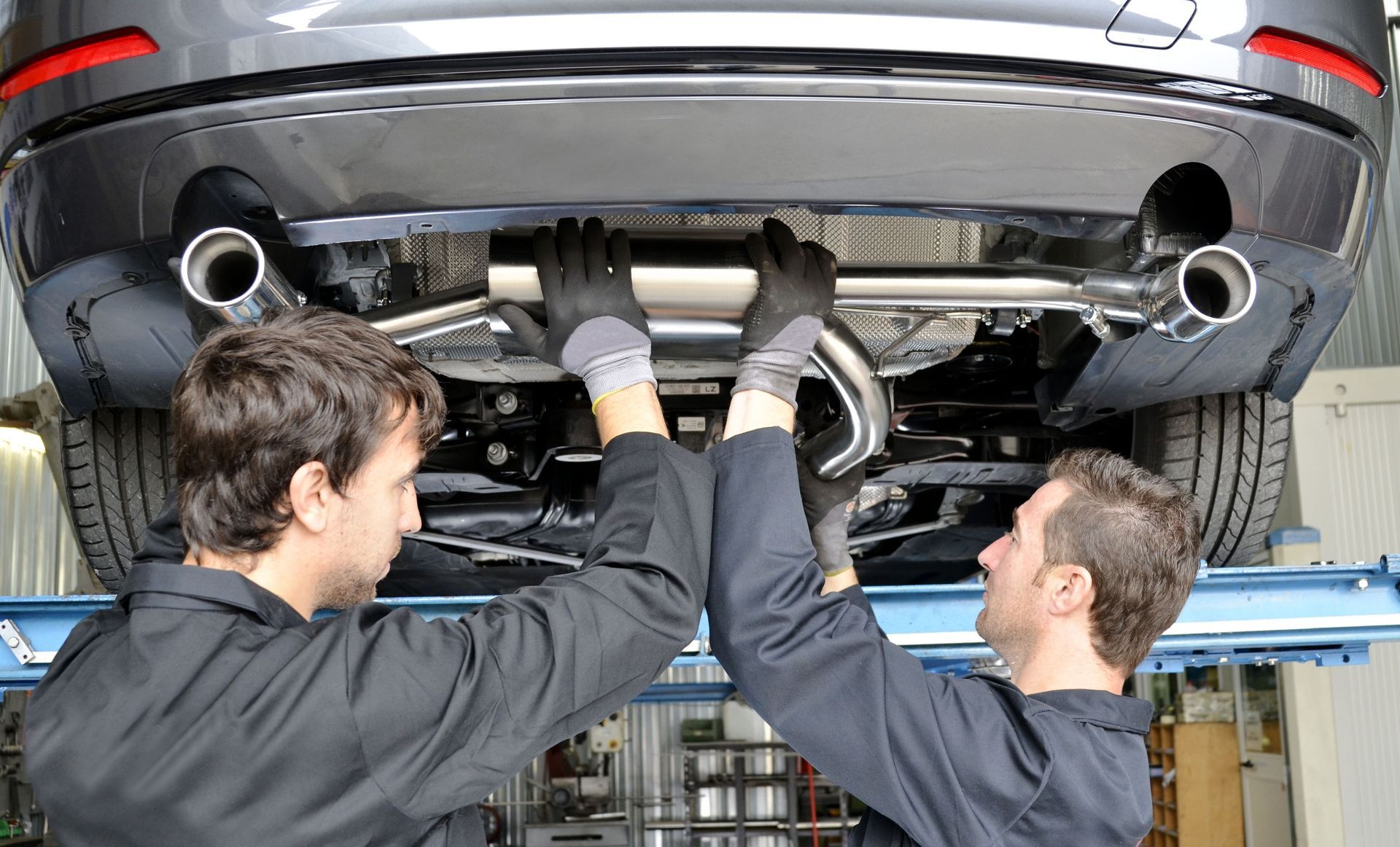
Professional auto body repair goes far beyond aesthetics. Technicians often need to inspect suspension systems, sensors, and frame alignment to ensure the vehicle is safe to drive. A bumper that looks slightly scuffed might be hiding cracked mounting points or misaligned crash sensors. That’s why thorough inspections are essential before any visible repairs begin.
Another important factor is vehicle safety technology. Modern cars are equipped with advanced driver assistance systems that rely on precise calibration. If these systems are not properly checked and restored, the vehicle may not respond correctly in an emergency. This is why surface-level fixes alone are never enough. In many cases, what appears to be minor damage can actually require extensive structural evaluation and repair to return the vehicle to pre-accident condition.
2. Insurance Will Always Cover Everything
Many drivers believe insurance will automatically cover all repair costs without issue, but that is not always the case. Coverage depends on the policy type, deductibles, and the circumstances of the accident. Some repairs may not be fully covered, and policyholders may still be responsible for out-of-pocket expenses.
In the world of auto body repair, shops often work directly with insurance companies to assess damage and create estimates. However, insurance adjusters may initially approve only visible or obvious damage, while deeper structural issues are discovered later during teardown. This can lead to supplemental claims and additional approvals.
It’s also important to understand that insurance companies typically approve repairs based on “reasonable cost standards,” which may not always align with the highest-quality repair methods available. Vehicle owners sometimes have the right to request specific repair facilities or OEM parts, depending on their policy. Being informed about your coverage helps prevent surprises and ensures you understand what is—and isn’t—included in your claim. Communication between the repair shop and insurance provider is key to a smooth process.
3. DIY Repairs Are Just as Effective
With so many online tutorials available, some car owners believe they can handle collision damage themselves. While small cosmetic fixes might seem manageable, most structural or mechanical issues require professional tools and training.
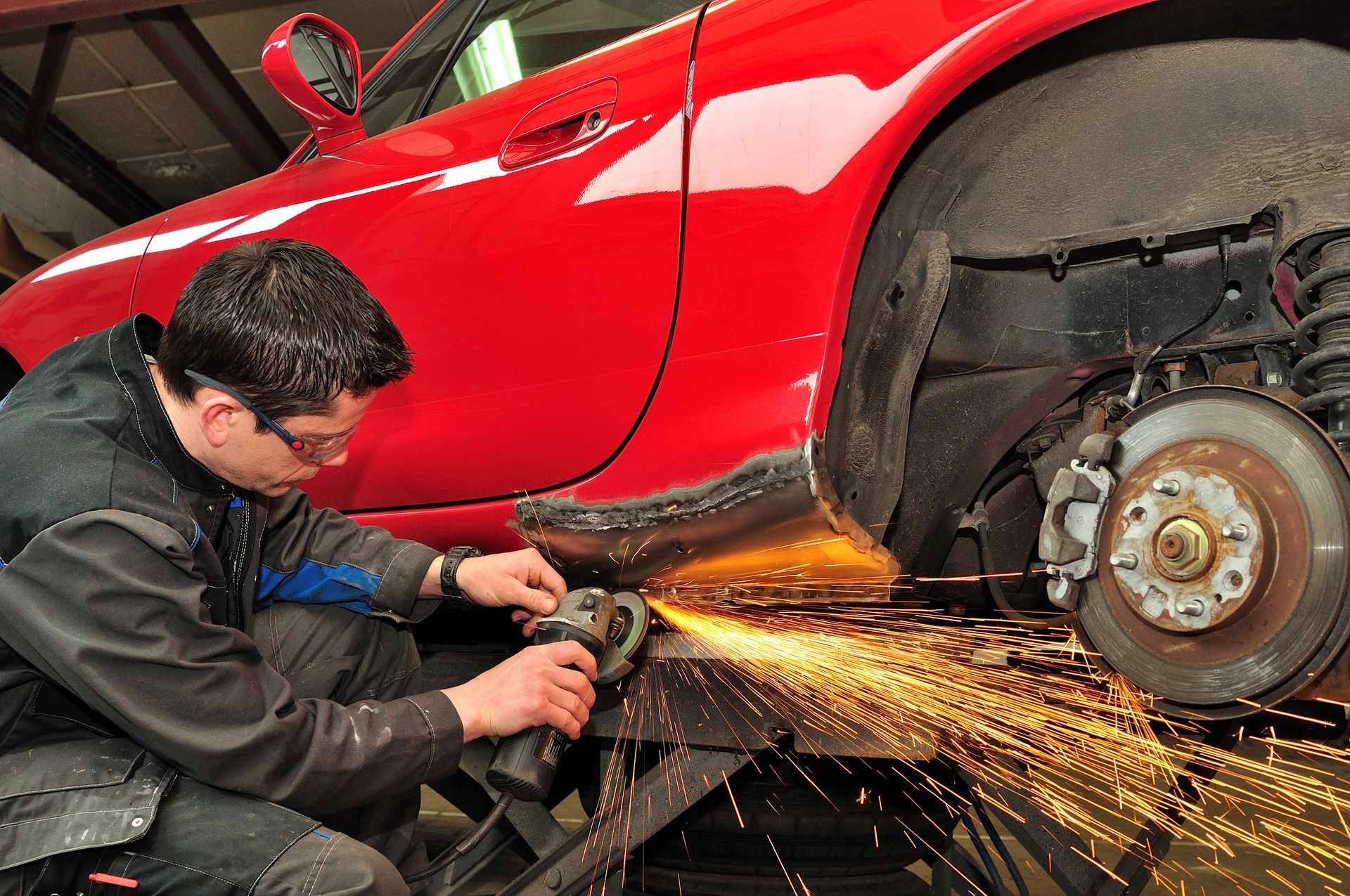
Attempting auto body repair without proper equipment can lead to misaligned panels, unsafe structural fixes, or improper paint application. Modern vehicles are designed with precision engineering, meaning even small errors can affect performance and safety.
Professionals use computerized measuring systems, frame machines, and manufacturer-approved techniques to ensure accuracy. Without these tools, it is nearly impossible to restore a vehicle to factory specifications. Additionally, DIY repairs can reduce resale value and may even void certain insurance claims if the work is deemed improper. While DIY may seem cost-effective at first, it often leads to higher long-term expenses when the damage must be corrected by professionals later.
4. Repairs Are Always Quick and Inexpensive
Another common misconception is that collision work is fast and cheap. In reality, repair time and cost vary widely depending on the extent of the damage, availability of parts, and the complexity of the vehicle’s systems. Modern auto body repair often involves multiple stages, including disassembly, damage assessment, structural repair, parts replacement, painting, and recalibration of electronic systems. Each step requires precision and time.
According to Gitnux, the estimated labor time for auto frame straightening is 20 hours on average. This statistic highlights how even a single aspect of structural repair can be highly time-intensive. When combined with other necessary repairs, the total time in the shop can extend significantly. Costs also vary because many newer vehicles require OEM parts or specialized materials. Paint matching alone can be a detailed process to ensure consistency across panels. While some minor repairs can be completed quickly, assuming all work is fast or inexpensive often leads to frustration and misunderstanding.
5. Parts Are Always Replaced, Not Repaired
Many people assume that damaged components are always replaced entirely, but this is not always the case. Skilled technicians evaluate whether a part can be safely repaired or if replacement is necessary based on severity and safety standards.
In professional auto body repair, repairing a part instead of replacing it can sometimes preserve factory integrity and reduce costs. For example, certain dents or panel damage may be reshaped using specialized tools without compromising structural strength. However, safety-critical components such as crumple zones or severely damaged structural parts typically require full replacement. The decision is based on manufacturer guidelines and industry standards, not guesswork.
Another factor is sustainability. Repairing rather than replacing where appropriate can reduce waste and lower material consumption. That said, safety always takes priority, and technicians will choose replacement when there is any doubt about structural integrity. Understanding this balance helps vehicle owners appreciate why repair strategies can differ from one situation to another.
6. Paint Matching Is Easy and Always Perfect
A final misconception is that repainting a vehicle is a simple process and that color matching is always seamless. In reality, achieving a perfect match requires skill, experience, and advanced technology. Modern auto body repair facilities use computerized color-matching systems, but even then, variables such as paint age, sun exposure, and factory variations can affect the final result. Technicians often blend paint across adjacent panels to ensure a smooth and consistent appearance.
Environmental conditions also play a role. Lighting in the shop, humidity levels, and application techniques can all influence the final finish. This is why professional painters spend time fine-tuning every detail to achieve the closest possible match. While most high-quality shops can produce excellent results, expecting instant perfection without careful blending or preparation is unrealistic. Proper paint work is both a science and an art, requiring patience and precision.
Misconceptions about collision repair can lead to unrealistic expectations, rushed decisions, and unnecessary stress after an accident. The truth is that modern vehicle restoration is a highly technical process that involves structural assessment, advanced tools, and specialized expertise. From hidden damage to insurance complexities and paint matching challenges, each step requires careful attention to detail.
By understanding how the process actually works, vehicle owners can make more informed choices, communicate more effectively with repair professionals, and ensure their car is restored safely and correctly. Awareness of these common myths also helps prevent costly mistakes and improves overall satisfaction with the repair experience. For drivers who want reliable workmanship and expert care, trusting experienced professionals makes all the difference—Supreme Bodywerks is here to help restore your vehicle with precision, safety, and confidence.